
Building bridges is an example of human inventiveness, engineering skill, and the world's constant desire…
Earthquake Resistant TMT Bars: Shield Your Structures
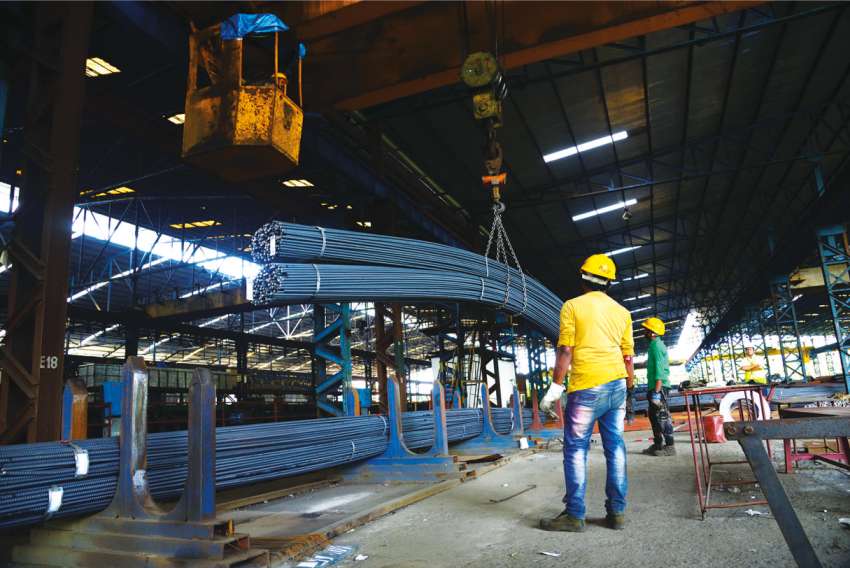
Earthquakes can cause loss of life, injuries, and widespread destruction. They lead to building collapses, infrastructure damage, and fires, creating chaos and disruption, for which a specific kind of steel reinforcement bar called earthquake-resistant TMT (thermo-mechanically treated) bar is used in construction to improve a building’s capacity to withstand seismic activity. These bars are produced using a special technique that improves their strength, ductility, and resilience through mechanical deformation and regulated cooling.
Manufacturing of Earthquake Resistant TMT Bars:
Quenching and tempering are two of the careful procedures that Earthquake Resistant TMT Bars go through to improve their structural integrity. Superior mechanical qualities, like high tensile strength and flexibility, are imparted by this treatment and are essential for withstanding seismic events.
Features of TMT Bars:
Ductility:
One of the most crucial aspects of Earthquake Resistant TMT bars in terms of seismic protection is ductility. TMT bars can give the structure more flexibility because of their special production method. This ensures that the building will be able to maintain its structural integrity even in the event of an earthquake.
Elongation:
Not only should TMT bars have excellent ductility, but they should also have excellent elongation qualities. This implies that elastic strains will be managed more effectively in the case of an earthquake.
Corrosion Resistance:
A contributing factor to the structure’s deterioration is corrosion. Naturally, during a seismic event, corroded or compromised structures collapse first. TMT Bars because of its distinctive cross rib shape and anti corrosion qualities, TMT Bars guarantee resistance.
Recognizing Earthquake Resistant TMT Bars:
For TMT bars, the Bureau of India Standards (BIS) has established certain grades, such as, Fe500D, Fe500, Fe415D, and Fe415. Fe 415. Bansal Super Fe500D are a great choice for projects in seismically prone areas because they offer the right balance of tensile strength and ductility, according to numerous studies.

Related Posts

This Post Has 0 Comments