

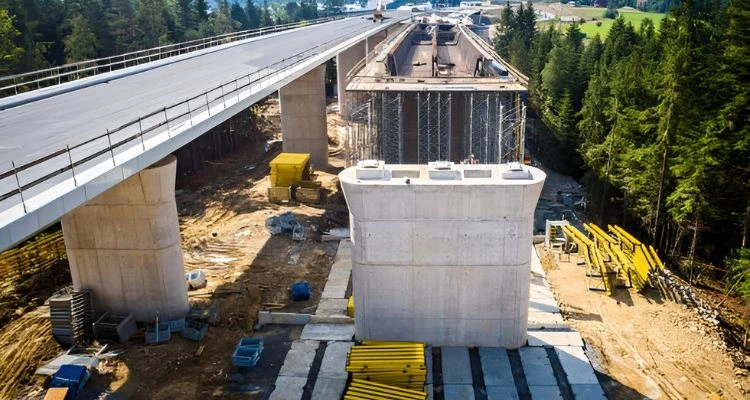
Building bridges is an example of human inventiveness, engineering skill, and the world's constant desire…
Unlocking Virtual Reality in Construction Industry
While mainstream virtual reality (VR) is currently perceived as a tool for video games and entertainment purposes, developers and construction experts are finding practical applications for the technology in their field.
Implementing virtual reality in construction industry has opened several avenues for improving design, pitching projects, and enhancing training and safety. These aren’t just ideas for the distant future; companies are implementing these ideas today, to much success.
How Virtual Reality is Revolutionzing Construction Industry:
Design:
A precise, detailed render viewed in virtual reality (VR) is the most accurate way to see how a project will turn out, regardless of how exact schematics or concept renderings are. Investing in virtual reality technology helps architects and designers fine-tune their designs by immersing them in the space they’re creating.
Virtual reality in construction Industry can assist you and other team members in visualizing the project’s outcome.
Labor costs:
Virtual reality in construction Industry save labor expenses in addition to the safety benefits it offers on building sites. Work can be done from inside the office rather than requiring many workers to be physically present in the field when this kind of technology is combined with intelligent construction equipment. Instead of just setting up equipment and personnel on the site and telling them to dig a hole, virtual reality (VR) enables site managers to see the calculations of work areas, such as how much dirt needs to be removed in particular locations.
Customer Satisfaction:
VR improves the customer experience by providing a way for the potential property owner to view and/or market a space before the construction is complete. It allows future property owners to experience what the property will actually look and feel like, to actually be in the space, see the views and understand the layout.
Predictive Maintenance:
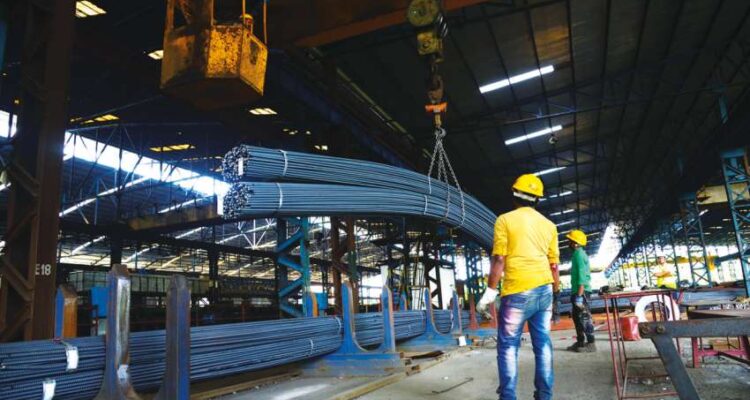
Steel producers anticipate possible breakdowns and plan maintenance tasks ahead of time by utilizing real-time data and machine learning algorithms.
Plant managers can receive useful insights and deviation reports from systems that monitor temperature, vibration, and energy use. Equipment in real-time monitoring also identifies early indicators of anomalies or degradation. Maintenance staff can detect deviations from standard operating conditions and promptly take corrective action by continuously reviewing sensor data.

Related Posts

This Post Has 0 Comments